Supper energetic Taisho, I love coming to this place, waitress supper welcoming. I have been visiting this restaurant since 2 years ago and Taisho does his magic with the food. This restaurant made it to some Tokyo TV show. Make a reservation come and enjoy good food with the best Cheff in Japan.
Overview
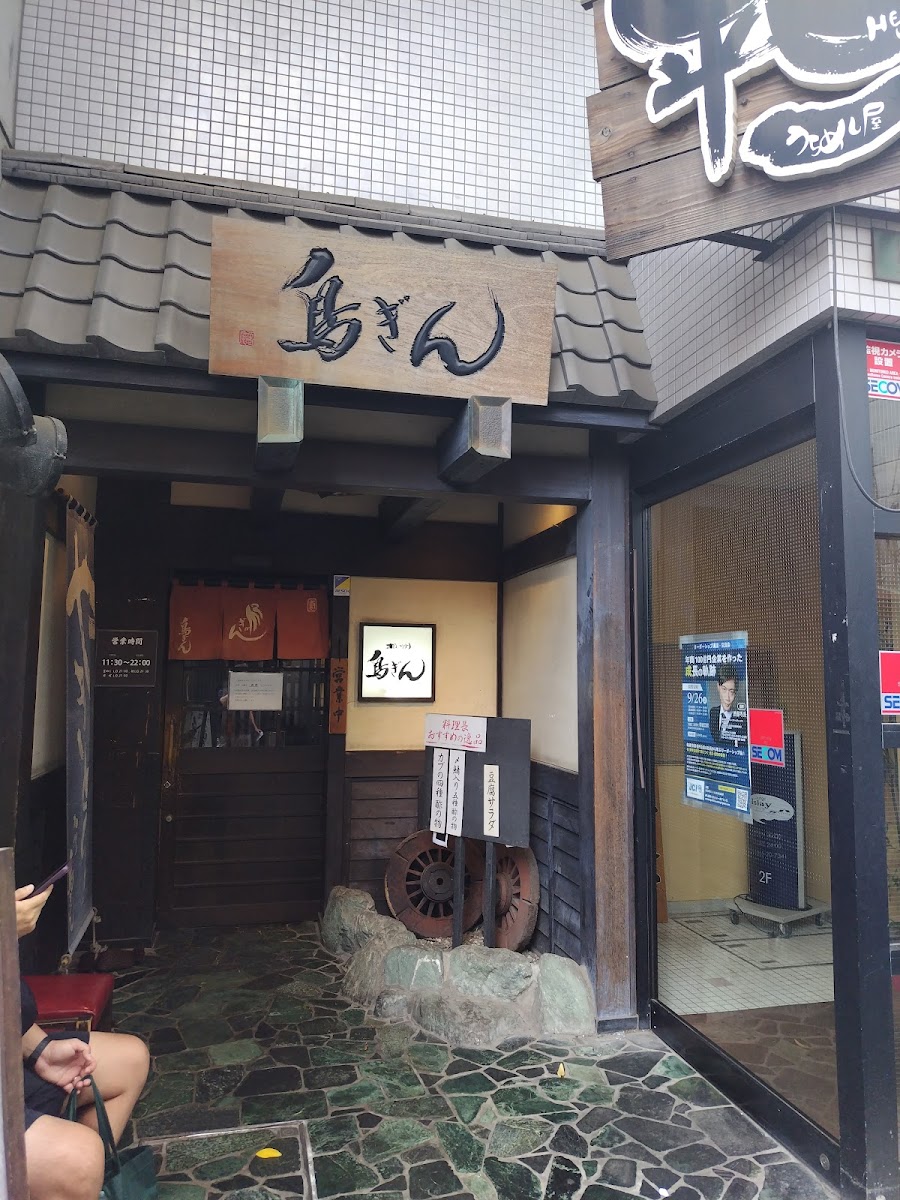
Urameshiya Heiji sits quietly on the second floor of 第2マツガヤビル in Japan, 〒250-0011 Kanagawa, Odawara, Sakaecho, 1 Chome−2−9, and it feels like one of those places you only hear about because someone you trust leans in and says, you have to try this spot. I found it the first time while wandering Odawara after a long day near the castle, hungry enough to judge a restaurant honestly and not generously. The narrow staircase, the faint smell of broth drifting down, and the soft hum of conversation already told me this wasn’t a flashy diner chasing trends.
The menu is compact, and that’s usually a good sign. Instead of overwhelming you, it focuses on carefully built ramen bowls, small plates, and seasonal sides that rotate quietly depending on availability. One night, I watched the chef simmer broth behind the counter, skimming patiently, a method ramen experts often point out as essential for clarity and depth of flavor. According to food science research shared by the Japanese Society of Culinary Science, long, low-temperature simmering helps extract umami compounds like glutamate without bitterness. You can taste that attention here. The broth is rich but clean, and it doesn’t leave you thirsty afterward, which is something seasoned ramen reviewers often praise in high-quality shops.
What stands out in real-life experience is consistency. I returned three times over two months, and each visit delivered the same balance of noodles, tare, and toppings. The noodles have a springy texture, likely made with a higher protein wheat blend, something ramen masters like those featured in the Michelin Guide Japan frequently emphasize. The chashu isn’t oversized or greasy; it’s sliced to complement the bowl, not dominate it. One regular next to me mentioned he comes weekly because the flavor never drifts, and that kind of word-of-mouth says more than any online rating.
Reviews from locals often mention the relaxed pace. This isn’t a fast-turnover diner. The staff gives you space, explains the menu if you ask, and never rushes you out. During one visit, I asked about the seasoning, and the server explained how they adjust salt levels slightly based on the humidity, a small but real technique chefs use to maintain balance. That kind of detail builds trust. It also explains why many Odawara residents recommend this location to visiting friends instead of louder, tourist-heavy ramen chains.
From an industry perspective, ramen shops like this reflect a broader shift in Japan’s dining culture. Data from the Ministry of Agriculture, Forestry and Fisheries has shown steady consumer interest in smaller, specialized eateries rather than mass-market restaurants. Places that focus on fewer dishes and tighter processes often score higher in customer satisfaction surveys. This diner fits that pattern perfectly. It knows what it does well and sticks to it.
There are limitations, and it’s fair to say them out loud. Seating is limited, and during peak dinner hours you may wait. The menu won’t suit someone looking for a huge variety or heavy customization. But for diners who value craft, atmosphere, and repeatable quality, that tradeoff feels reasonable. If you’re the kind of person who reads reviews carefully and trusts lived experience over hype, this place delivers exactly what it promises, quietly and confidently, bowl after bowl.
Good to know
Service options
✓ Dine-in ✓ DeliveryHighlights
✓ All you can drinkPopular for
✓ Dinner ✓ Solo diningAccessibility
✓ Wheelchair-accessible car park ✓ Wheelchair-accessible entrance ✓ Wheelchair-accessible seatingOfferings
✓ Alcohol ✓ Beer ✓ Food at bar ✓ Organic dishes ✓ Small plates ✓ WineDining options
✓ Dinner ✓ Dessert ✓ Table serviceAmenities
✓ Bar on site ✓ ToiletAtmosphere
✓ Casual ✓ CosyCrowd
✓ GroupsPlanning
✓ Dinner reservations recommended ✓ Accepts reservationsPayments
✓ Rakuten Pay ✓ Credit cardsPhotos
1 / 4
Location
Reviews
- No ratings yet 107 reviews
アジフライいつだべてもほんと美味しい マスター1人で調理してるのに美味しいお料理の提供早い。バイトの子達も皆さん素敵です。
料理、店長の気配り、その他全てにおいて素晴らしい対応のお店です。 何よりも、お通しに手を抜かないお店に間違いはありません。 とても美味しくて大満足、自信を持っておすすめします‼
ちょっと場所が分かりづらい、隠れ家的な雰囲気のあるお店です。 お刺身はもちろん美味しかったけど、アジフライを頼んだらメニューにはなかったようで、代わりにと大将が出してくれたカマスのフライがとても美味しくて感動しました。 明るく元気な大将と美味しい料理。 小田原に来たなら寄るべきお店だなって思います。
ある先輩に誘われ… 行ってびっくり((((;゚Д゚)))) 落ち着いた雰囲気のお店に 地元のモノを使った親しみやすいメニューに バイトの子の気遣いに感動したお店でした
小田原旅行で夜にお邪魔しました とても気さくな大将さんと楽しくお話しながら美味しい料理とお酒をいただきました お通しからクオリティが高く、料理へのこだわりを感じました 特に、手作りのさつま揚げがサクッとふわふわで美味しい!新感覚! 小田原に行く機会があればぜひ一度行ってほしいお店です
新鮮な刺身。マスター、スタッフの気配り最高でした。小田原の地魚を食べるならオススメです。